
Neuropathy Treatment in Kanpur
Persistent numbness, tingling, or burning pain in your hands and feet can quietly disrupt sleep, work, and daily movement. These are common signs of neuropathy, a condition that affects the nerves carrying signals between your brain and body. At Dr. Zubair Sarkar Neurology Clinic in Ashok Nagar, Kanpur, patients receive accurate nerve evaluation and personalized treatment plans built around the specific type and cause of their nerve damage. Dr. Zubair Sarkar, a consultant neurologist and the best neuro-physician in kanpur, trained at Sanjay Gandhi Postgraduate Institute, Lucknow, has conducted over 50,000 consultations across 12+ years of clinical practice.
Understanding Neuropathy
Neuropathy refers to damage or dysfunction of one or more nerves, most often in the hands, feet, or legs. It can result from diabetes, vitamin deficiencies, infections, autoimmune conditions, chemotherapy, or nerve compression. In some cases, the exact cause remains unclear even after testing, which is sometimes diagnosed as idiopathic neuropathy.
Dr. Zubair Sarkar evaluates each case individually, combining clinical examination with nerve conduction studies and laboratory testing to identify the underlying cause before recommending treatment. This matters because neuropathy is not one disease, it is a category of nerve conditions, and a treatment plan that helps diabetic neuropathy may not be the right approach for small fiber neuropathy or a compressed nerve.
Patients in Kanpur have access to comprehensive neuropathy care under one roof, from initial diagnosis through ongoing management. Early evaluation is important because nerve damage left unaddressed can progress, sometimes leading to permanent loss of sensation or muscle weakness. Catching the condition early gives treatment a better chance of slowing or stabilizing nerve damage.

Symptoms of Neuropathy
Recognizing neuropathy symptoms early can make a meaningful difference in how well treatment works
Early Symptoms
Early nerve damage often shows up as mild, intermittent sensations rather than constant pain:
- Tingling or pins and needles in the toes or fingertips
- Mild numbness that comes and goes
- A burning sensation, especially at night
- Increased sensitivity to touch in the feet or hands
Advanced Symptoms
As nerve damage progresses, symptoms tend to become more constant and may spread further up the limbs:
- Persistent numbness affecting balance or coordination
- Sharp, stabbing, or electric shock like pain
- Muscle weakness or difficulty gripping objects
- Loss of reflexes
- Wounds or sores on the feet that go unnoticed due to reduced sensation
When to Seek Medical Help
Consult a neurologist if numbness, tingling, or pain lasts more than a few weeks, worsens over time, or interferes with walking, sleep, or daily tasks. Sudden onset of weakness, loss of bladder or bowel control, or rapidly spreading numbness needs prompt medical evaluation, as these can indicate a more urgent nerve or spinal cord issue.
Experiencing any of these symptoms? Call now to schedule a nerve evaluation.
Causes & Risk Factors
Neuropathy develops for many different reasons, and identifying the cause is central to effective treatment.
Medical Causes
- Diabetes, the most common cause of peripheral neuropathy
- Vitamin B12 or other nutrient deficiencies
- Autoimmune conditions affecting the nervous system
- Chemotherapy and certain other medications
- Infections such as shingles or HIV
- Nerve compression or entrapment, such as in carpal tunnel syndrome
- Kidney or liver disease
Lifestyle Factors
- Long-term alcohol use
- Poor nutrition
- Sedentary habits that affect circulation
- Smoking, which reduces blood flow to nerve tissue
High-Risk Groups
- People with long-standing or poorly controlled diabetes, those undergoing chemotherapy, individuals over 60, and people with a family history of nerve disorders face a higher risk of developing neuropathy. Patients with repetitive strain jobs or activities are also more prone to nerve compression related neuropathy.
Diagnosis
An accurate diagnosis starts with understanding the pattern, location, and progression of your symptoms.
Evaluation Process
- Dr. Zubair Sarkar begins with a detailed clinical history and a physical examination that checks reflexes, muscle strength, and sensory response. This helps determine whether the nerve damage affects a single nerve, multiple nerves, or follows a pattern typical of conditions like diabetic neuropathy.
Imaging & Tests
Depending on clinical findings, further testing may include:
- Nerve conduction studies (NCS) to measure how electrical signals travel through the nerves
- Electromyography (EMG) to assess muscle response to nerve signals
- Blood tests to check for diabetes, vitamin deficiencies, thyroid function, or autoimmune markers
- MRI, in cases where nerve compression or a spinal cause is suspected
When Immediate Evaluation Is Needed
- Sudden, severe weakness, rapidly spreading numbness, or loss of bladder or bowel control alongside nerve symptoms should be evaluated immediately rather than waiting for a scheduled appointment, as these can point to a more serious underlying condition.
Treatment Options
Treatment for neuropathy is built around the underlying cause, the type of nerves affected, and how advanced the condition is.
Conservative Treatment
- For mild or early cases, treatment often starts with managing the underlying cause, such as improving blood sugar control in diabetic neuropathy, correcting vitamin deficiencies, or adjusting lifestyle factors like alcohol use and physical activity. Physiotherapy can help maintain strength, balance, and circulation.
Medical Treatment
- Medications commonly used to manage neuropathic pain include anti-seizure drugs such as gabapentin or pregabalin, certain antidepressants that affect pain signaling, and topical treatments for localized nerve pain. The choice of medication depends on symptom severity and any other health conditions a patient has.
Advanced Treatment
- For patients who do not respond adequately to standard medication, options can include nerve blocks, TENS (transcutaneous electrical nerve stimulation) therapy, or referral for specialized pain management. Treatment plans are adjusted over time based on how symptoms respond.
Surgical Treatment
- Surgery is not a typical treatment for most forms of neuropathy. It is generally considered only in specific cases of nerve compression, such as carpal tunnel syndrome, where releasing pressure on the nerve can relieve symptoms. Dr. Zubair Sarkar will advise if your case falls into this category after diagnostic evaluation
Recovery & Rehabilitation
Recovery Timeline
- Recovery from neuropathy varies widely depending on the cause and how early treatment begins. Nerve tissue regenerates slowly, so improvement in sensation or pain can take weeks to several months. Some nerve damage, particularly if longstanding, may only partially improve, which is why early diagnosis matters.
Lifestyle Changes
Maintaining stable blood sugar levels, eating a diet adequate in B vitamins, staying physically active, and avoiding excessive alcohol intake all support nerve health during recovery. Foot care is particularly important for patients with diabetic neuropathy, since reduced sensation can allow injuries to go unnoticed.
Preventing Recurrence
- Ongoing management of underlying conditions like diabetes or autoimmune disorders, regular follow-up testing, and prompt attention to new or worsening symptoms help reduce the chances of nerve damage progressing or recurring.

Your Treatment Journey
Areas We Serve
Dr. Zubair Sarkar’s clinic in Ashok Nagar, Harsh Nagar, is easily accessible for patients across Kanpur. Patients regularly visit from areas including Kakadeo, Swaroop Nagar, Kidwai Nagar, Barra, Kalyanpur, Govind Nagar, Panki, and Shyam Nagar, as well as nearby towns such as Unnao and Fatehpur, for neuropathy diagnosis and treatment
Visit Our Clinic
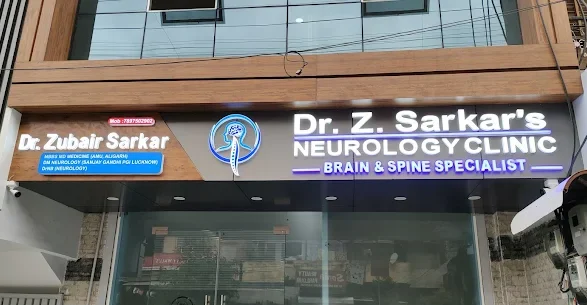
Clinic Name: Dr. Zubair Sarkar – Best Neurologist in Kanpur Address: Ground Floor, 111A/39, near Fatima Convent School, Ashok Nagar, Harsh Nagar, Kanpur, Uttar Pradesh 208012 Phone: 7897502902 WhatsApp: Message on WhatsApp Working Hours: Monday to Saturday, 11 am to 7 pm. Closed on Sunday. Location: View on Google Maps
Why Choose Dr. Zubair Sarkar
Dr. Zubair Sarkar is a Consultant Neurologist in Kanpur with MBBS and MD in Medicine from Aligarh Muslim University, followed by DM in Neurology from Sanjay Gandhi Postgraduate Institute of Medical Sciences, Lucknow, one of India’s leading neurology training centers.

Qualifications
- MBBS, MD Medicine — Aligarh Muslim University (AMU), Aligarh
- DM Neurology — Sanjay Gandhi PGI (SGPGI), Lucknow
- DrNB Neurology
- SCE Neurology — Royal College of Physicians, UK (RCP-UK)
- MNAMS
12+ years
of specialized neurological practice
50,000+
neuro consultations completed
Specialist training at two of India's most respected neurology institutions
International neurology certification from the Royal College of Physicians, UK
Expert in ischemic stroke, hemorrhagic stroke, TIA, and stroke paralysis
Evidence-based, personalized treatment — not a generic protocol
Clear communication and a patient-first approach
Trusted by patients from Kanpur, Unnao, Fatehpur, Kanpur Dehat, and surrounding regions
Frequently Asked Questions
Q1.What is neuropathy and what causes it?
Neuropathy is damage or dysfunction affecting one or more nerves, leading to symptoms like numbness, tingling, or pain. Common causes include diabetes, vitamin deficiencies, autoimmune conditions, infections, and nerve compression.
Q2. What is the difference between peripheral neuropathy and small fiber neuropathy?
Peripheral neuropathy affects larger nerve fibers responsible for muscle strength, reflexes, and coordination, while small fiber neuropathy specifically affects thin nerve fibers that carry pain and temperature sensations, often causing burning pain without significant weakness
Q3. How is neuropathy diagnosed?
Diagnosis typically involves a clinical examination, nerve conduction studies, electromyography, and blood tests to identify underlying causes such as diabetes or vitamin deficiencies.
Q4. Can neuropathy be cured?
Some causes of neuropathy, such as a vitamin deficiency or a compressed nerve, can improve significantly or resolve once treated. Other causes, like long-standing diabetic neuropathy, are generally managed rather than fully cured, with treatment focused on reducing symptoms and slowing progression.
Q5. What is the treatment for nerve pain?
Treatment depends on the cause and may include medications such as gabapentin or pregabalin, management of underlying conditions like diabetes, physiotherapy, and in some cases advanced pain management options
Q6. Is surgery required for neuropathy?
Yes. Stroke-related paralysis can partially or significantly improve with timely neurological care, physiotherapy, and rehabilitation. Early initiation of treatment is the most important factor in recovery outcomes.
Q7. How long does neuropathy treatment take to show results?
Improvement timelines vary depending on the cause and severity. Some patients notice symptom relief within weeks of starting treatment, while nerve regeneration in more advanced cases can take several months.
Q8. How do I book an appointment with Dr. Zubair Sarkar?
You can call the clinic directly, message on WhatsApp, or use the appointment link on this page to schedule a consultation.
Book an Appointment
If nerve pain, numbness, or tingling is affecting your daily life, timely evaluation can make a real difference in managing your condition. Dr. Zubair Sarkar offers consultations at his Ashok Nagar clinic in Kanpur, Monday through Saturday.