Expert Dementia & Alzheimer's Care in Kanpur
Watching a parent or loved one forget familiar names, lose track of time, or struggle with everyday tasks can be distressing for any family. Dementia and Alzheimer’s disease affect memory, thinking, and behavior, and early diagnosis often makes a real difference in how well the condition is managed over time. Dr. Zubair Sarkar, a Consultant Neurologist with DM Neurology training from Sanjay Gandhi Postgraduate Institute of Medical Sciences, Lucknow, provides dementia treatment in Kanpur with a focus on accurate diagnosis and personalized, evidence-based care. At Dr. Zubair Sarkar Neurology Clinic in Ashok Nagar, Kanpur, patients and families receive a thorough evaluation, a clear treatment plan, and ongoing support.
If you have noticed memory or behavior changes in yourself or a family member, an early evaluation is the best next step.
Understanding Dementia & Alzheimer's Disease
Dementia is not a single disease. It is a general term for a decline in memory, thinking, and reasoning skills severe enough to interfere with daily life. Alzheimer’s disease is the most common cause of dementia, but vascular dementia, Lewy body dementia, and mixed dementia are also seen in clinical practice, especially among older adults in Kanpur and surrounding areas.
Dr. Zubair Sarkar completed his DM Neurology from Sanjay Gandhi Postgraduate Institute of Medical Sciences, Lucknow, one of India’s leading neurology training centers. With over 12 years of clinical experience and more than 50,000 neuro consultations, he has evaluated and managed a wide range of memory and cognitive disorders, including age-related cognitive decline, Alzheimer’s disease, and related conditions.
At Dr. Zubair Sarkar Neurology Clinic, dementia treatment includes a detailed cognitive assessment, identification of the underlying cause, and a treatment plan tailored to the patient’s stage of illness and overall health. Early treatment does not reverse dementia, but in many cases it can slow progression, manage symptoms more effectively, and give families more time to plan for long-term care.
Symptoms of Dementia
Dementia symptoms usually develop gradually, though the pace varies from person to person depending on the underlying cause.
Early Symptoms
- Forgetting recent conversations or appointments
- Repeating questions or stories
- Difficulty finding the right words
- Misplacing items more often than usual
- Trouble managing finances, bills, or medications
- Mild confusion in unfamiliar settings
Advanced Symptoms
- Significant memory loss, including forgetting close family members
- Difficulty recognizing familiar places
- Noticeable changes in personality, mood, or behavior
- Trouble with basic self-care, such as dressing or eating
- Wandering or getting lost
- Reduced judgment or safety awareness
A gradual decline in memory and thinking over months or years is the typical pattern in dementia. This is different from sudden confusion that develops over hours or a few days, which usually points to a separate condition called delirium and often needs urgent evaluation, especially if it follows an infection, a medication change, or a hospital stay. If memory loss is gradual, it is still worth getting evaluated early. If confusion appears suddenly, medical attention should be sought without delay.
Concerned about memory changes in yourself or a family member? Book a consultation with Dr. Zubair Sarkar for a proper evaluation.
Causes & Risk Factors
Medical Causes
- Alzheimer’s disease, the most common cause of dementia
- Vascular dementia, related to reduced blood flow to the brain, often following strokes or long-standing high blood pressure
- Lewy body dementia, associated with abnormal protein deposits in the brain
- Mixed dementia, where more than one type occurs together
- Less common causes such as thyroid disorders, vitamin B12 deficiency, and certain infections, which can sometimes be reversible if identified early
Lifestyle Factors
- Long-term uncontrolled diabetes or high blood pressure
- Smoking and excessive alcohol use
- A sedentary lifestyle with limited mental or social engagement
- Poor sleep patterns over many years
- Untreated hearing loss in older adults
High-Risk Groups
- Adults above 65 years of age
- Individuals with a family history of dementia or Alzheimer’s disease
- Patients with a history of stroke or heart disease
- People with poorly controlled diabetes or hypertension
- Individuals with a history of significant head injury
How Dementia Is Diagnosed
Evaluation Process
- Diagnosis begins with a detailed conversation with the patient and family about the history of symptoms, daily functioning, and medical background. Dr. Zubair Sarkar performs a structured neurological examination along with standardized cognitive screening tools to assess memory, attention, language, and problem-solving ability.
Imaging & Tests
Depending on the clinical picture, further evaluation may include:
- Blood tests to rule out reversible causes such as thyroid dysfunction or vitamin deficiencies
- MRI brain imaging to assess brain structure and rule out strokes, tumors, or other changes
- Additional specialized tests in selected cases, based on clinical judgment
These tests help confirm the type of dementia and rule out other conditions that can cause similar symptoms.
When Immediate Evaluation Is Needed
- Sudden onset confusion, sudden weakness, slurred speech, or loss of consciousness are not typical of dementia and need immediate medical attention, as they may indicate a stroke or another acute neurological emergency
There is currently no cure for most forms of dementia, but treatment can meaningfully improve quality of life, manage symptoms, and in many cases slow the rate of decline.
Lifestyle & Conservative Management
- Structured daily routines to reduce confusion
- Cognitive engagement activities such as puzzles, reading, or social interaction
- Management of underlying conditions like diabetes, blood pressure, and cholesterol
- Dietary guidance and regular physical activity where appropriate
- Caregiver education on home safety measures
Medical Treatment
- Medications that can help manage memory and cognitive symptoms in certain types of dementia
- Treatment for associated symptoms such as sleep disturbance, agitation, or mood changes
- Regular monitoring and dose adjustments based on patient response
Advanced & Supportive Care
- Coordinated care for patients with more advanced symptoms, including guidance on long term care planning
- Management of related neurological or medical complications
- Referral for additional specialist support when needed, such as psychiatric or rehabilitation care
Living With Dementia: Care & Management
Disease Progression & Care Planning
Dementia typically progresses gradually over several years, though the pace varies between individuals and depends on the underlying cause. Regular follow-up visits allow the treatment plan to be adjusted as symptoms change, and help families plan ahead for caregiving needs, home safety, and, where relevant, financial matters.
Lifestyle Changes for Patients & Caregivers
- Maintaining a consistent daily routine
- Simplifying the home environment to reduce confusion and fall risk
- Encouraging social interaction and mental stimulation
- Supporting caregivers with practical guidance and realistic expectations
- Regular review of medications to avoid interactions that can worsen confusion
Slowing Progression & Reducing Complications
- Strict control of blood pressure, blood sugar, and cholesterol
- Regular physical activity within the patient’s ability
- Treating hearing or vision problems that can worsen confusion
- Monitoring for depression, which is common and treatable in dementia patients
- Preventing falls and injuries through home safety adjustments

Your Treatment Journey at Our Clinic
Areas We Serve
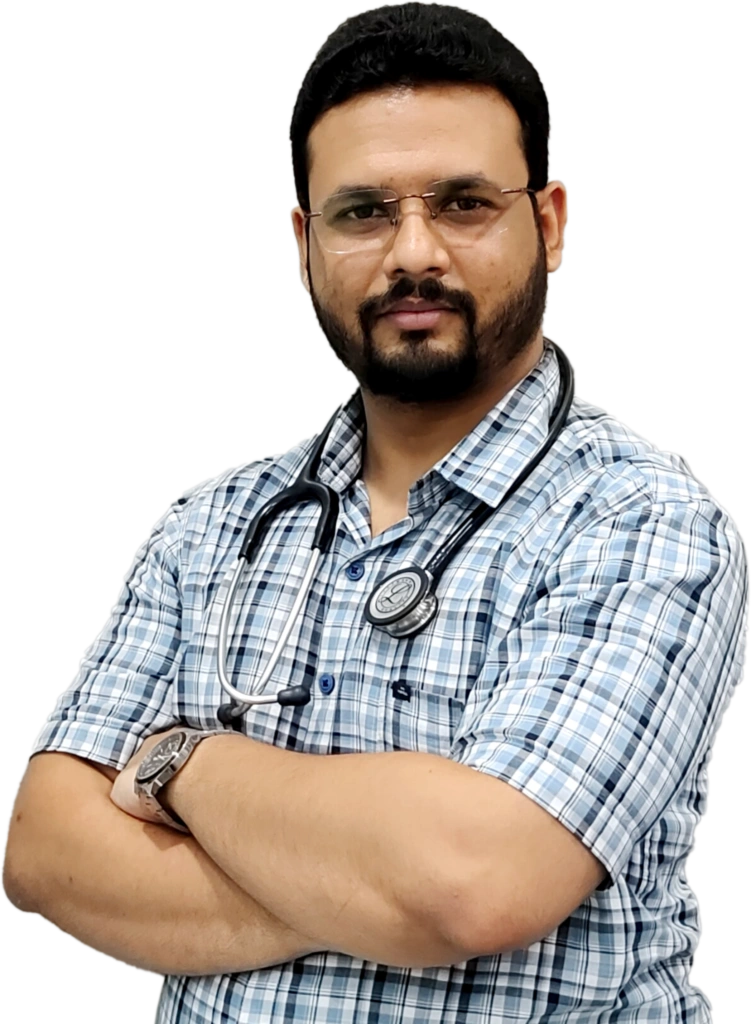
Dr. Zubair Sarkar’s clinic in Ashok Nagar, Harsh Nagar, is easily accessible for patients across Kanpur. Patients regularly visit from areas including Kakadeo, Swaroop Nagar, Kidwai Nagar, Barra, Kalyanpur, Govind Nagar, Panki, and Shyam Nagar, as well as nearby towns such as Unnao and Fatehpur, for dementia and memory care evaluation.
Visit Our Clinic
- Clinic Name: Dr. Z. Sarkar’s Neurology Clinic
- Address: Ground Floor, 111A/39, near Fatima Convent School, Ashok Nagar, Harsh Nagar, Kanpur, Uttar Pradesh 208012
- Phone: 7897502902
- WhatsApp: Message on WhatsApp
- Working Hours: Monday to Saturday, 11 am to 7 pm. Closed on Sunday.
- Location: View on Google Maps
Why Choose Dr. Zubair Sarkar
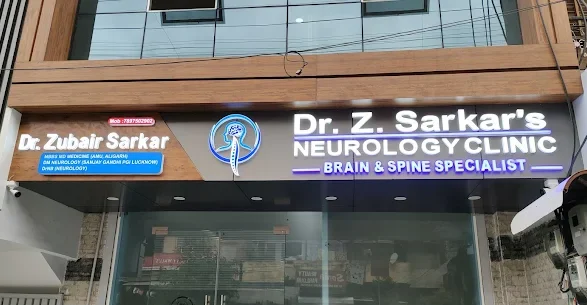
Dr. Zubair Sarkar is a Consultant Neurologist in Kanpur with MBBS and MD in Medicine from Aligarh Muslim University, followed by DM in Neurology from Sanjay Gandhi Postgraduate Institute of Medical Sciences, Lucknow, one of India’s leading neurology training centers.
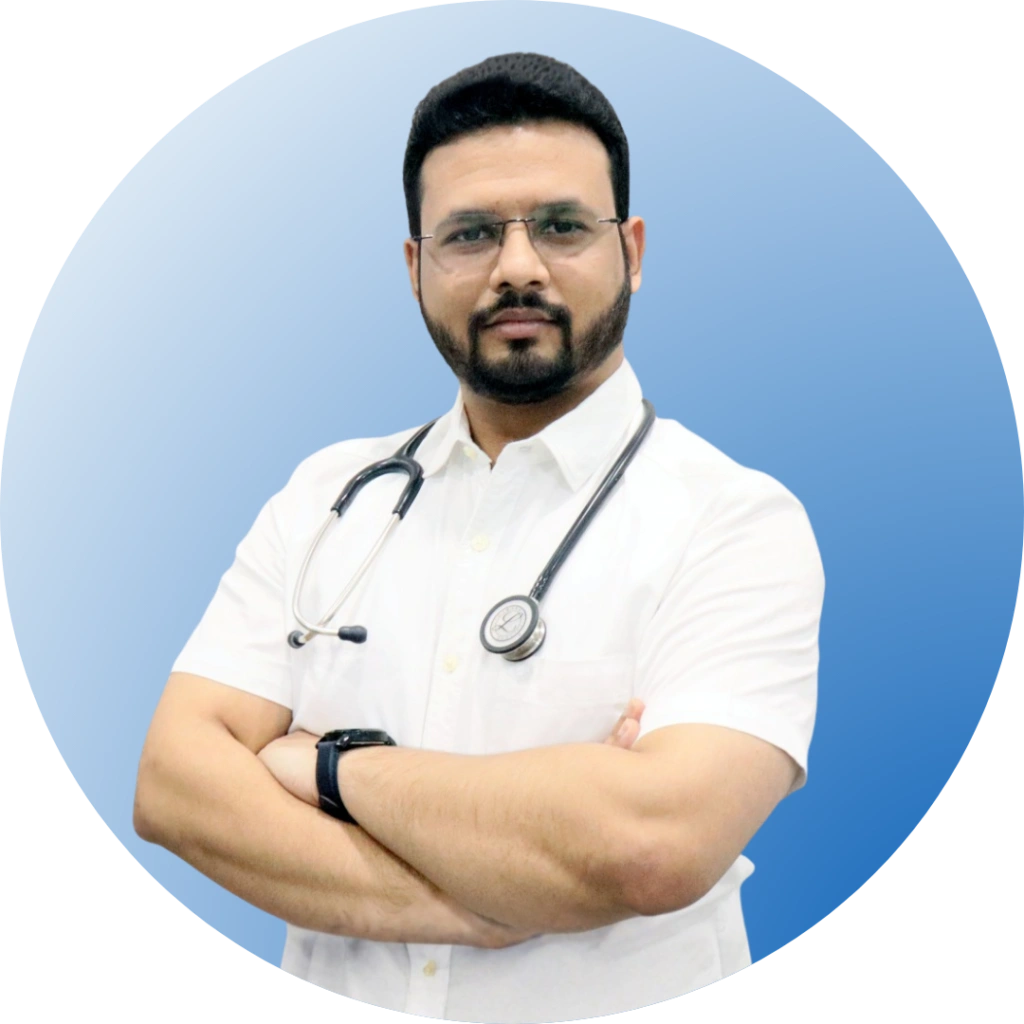
Qualifications
- MBBS, MD Medicine — Aligarh Muslim University (AMU), Aligarh
- DM Neurology — Sanjay Gandhi PGI (SGPGI), Lucknow
- DrNB Neurology
- SCE Neurology — Royal College of Physicians, UK (RCP-UK)
- MNAMS
12+ years
of specialized neurological practice
50,000+
neuro consultations completed
Specialist training at two of India's most respected neurology institutions
International neurology certification from the Royal College of Physicians, UK
Experience diagnosing and managing dementia, Alzheimer's disease, and other memory and cognitive disorders
Evidence-based, personalized treatment — not a generic protocol
Clear communication and a patient-first approach
Trusted by patients from Kanpur, Unnao, Fatehpur, Kanpur Dehat, and surrounding regions
Frequently Asked Questions
Q1.What is the difference between normal aging and dementia?
Occasional forgetfulness, like misplacing keys, is common with normal aging. Dementia involves a more persistent decline in memory and thinking that interferes with daily activities, work, or relationships. If memory issues are affecting independence, it is worth getting evaluated.
Q2. Can dementia be cured?
Most forms of dementia, including Alzheimer’s disease, do not currently have a cure. However, treatment can help manage symptoms, slow progression in many cases, and improve quality of life for both patients and caregivers.
Q3.How is dementia diagnosed in Kanpur?
Diagnosis typically involves a detailed clinical history, a structured cognitive assessment, and tests such as blood work or MRI imaging when needed. Dr. Zubair Sarkar evaluates each patient individually to identify the type and cause of dementia.
Q4. What is the cost of dementia treatment?
Treatment cost varies depending on the diagnostic tests required and the stage of the condition. Please contact the clinic directly for current consultation fees and treatment cost details.
Q5. Is Alzheimer's disease the same as dementia?
Alzheimer’s disease is the most common cause of dementia, but dementia is a broader term that includes other conditions such as vascular dementia and Lewy body dementia. A proper evaluation helps identify the specific type.
Q6. Can lifestyle changes help slow dementia progression?
Yes. Managing blood pressure and blood sugar, staying physically active, maintaining social engagement, and treating hearing or vision problems can support brain health and may help slow progression in some cases.
Q7.Is a same-day appointment available?
Same-day appointments may be available depending on clinic schedule. Please call or message the clinic on WhatsApp to check current availability.
Q8. Do I need to bring previous medical reports?
Yes. If available, please bring previous medical reports, scans, prescriptions, and test results to your consultation, as these help in accurate diagnosis and treatment planning.
Book an Appointment
If you have noticed memory loss, confusion, or behavioral changes in yourself or a loved one, an early neurological evaluation can make a meaningful difference. Dr. Zubair Sarkar offers consultations for dementia and Alzheimer’s disease treatment in Kanpur, with a focus on accurate diagnosis and personalized care.
Call: 7897502902 WhatsApp: Book via WhatsApp Visit: Ground Floor, 111A/39, near Fatima Convent School, Ashok Nagar, Kanpur
Book your consultation today and take the first step toward better memory care for you or your family member.